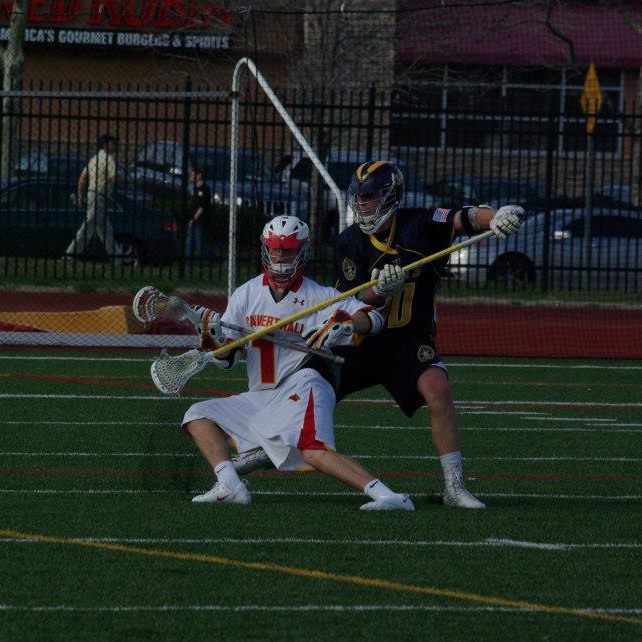
212 Lacrosse player in action
212 Lacrosse — Park City, Utah

College
Recruiting

Guiding players from first contact to signing day. 212 provides personalized support at every step of the college recruiting process.

Recruiting guidance is provided for 212 Lacrosse players and patrons.
🏆 Featuring the expertise of Hall of Fame Coach  Fred Acee

Learn How It Works ↓ Contact Mike Acee → Visit 212 Lacrosse →

About 212 Lacrosse Recruiting

Based in Park City, Utah, 212 Lacrosse has helped 95 players earn roster spots at Division I, II, and III programs across the country — from Duke and Stanford to Johns Hopkins and Yale.

Recruiting guidance is a service for 212 Lacrosse players and patrons. This helps keep the process personal, accountable, and focused on athletes who are actively part of the 212 program.

Led by Mike Acee with the expertise of Hall of Fame Coach Fred Acee, the program provides hands-on, personalized recruiting guidance. Every player and family receives direct support through every phase of the process — from building a profile and getting exposure, to connecting with coaches and making a commitment.

212 does not take a one-size-fits-all approach. Each player receives individualized attention based on their skills, academic goals, and the right program fit.

Division I Commitments
Division II Commitments
Division III Commitments

Your Path to College Lacrosse

The recruiting process can feel overwhelming. Here is the step-by-step journey 212 players follow on their way to a college commitment.

1

Learn the Process

Read the 212 Recruiting Guide and understand the NCAA recruiting calendar, contact rules, and eligibility requirements.

2

Build Your Profile

Create your recruiting profile so coaches can evaluate you — include game film, academic info, and measurables. Boys: IMLCA Recruits (imlcarecruits.org). Girls: IWLCA Recruits (iwlcarecruits.com).

3

Get Exposure

Attend premier recruiting events like Showtime, National All-Star Games, and college prospect camps where you play in front of coaches.

4

Connect with Coaches

Mike Acee works directly with each player and their family to identify target schools, facilitate coach connections, and navigate conversations.

5

Commit

Find the right fit — athletically, academically, and socially — and make your college commitment. 212 supports you through the entire decision.

Recruiting Timeline by Grade

What to focus on each year of high school. The D1 recruiting process opens June 15 after sophomore year; D2 and D3 run later.

9

Freshman Year (9th)

Focus on development and grades. Play multiple positions, get strong, and build your foundational GPA — early grades count toward NCAA core-course requirements. Start filming games. Register interest but do not expect coach contact; under D1 rules, coaches cannot contact you yet.

10

Sophomore Year (10th)

Build your recruiting profile (IMLCA/IWLCA Recruits), keep film current, and begin identifying target schools across D1, D2, and D3. June 15 after sophomore year is the date the D1 recruiting process opens — coaches can begin direct contact then. Have your profile, film, and target list ready before that date.

11

Junior Year (11th)

The most active recruiting year for most players. Attend prospect camps and showcases at your target schools, take unofficial and official visits, and communicate directly with coaches. Register with the NCAA Eligibility Center. Keep grades and test scores on track. Many D1 commitments happen this year.

12

Senior Year (12th)

Finalize your list, complete official visits, and commit to your best fit — athletically, academically, and financially. Submit applications, complete Eligibility Center amateurism certification, and sign your National Letter of Intent (or admissions paperwork for Ivy/D3). D2 and D3 recruiting often runs later into senior year than D1.

The NCAA Just Overhauled Eligibility

In June 2026, the Division I Cabinet unanimously approved a new age-based eligibility system. Here is what changed — and what it means for your athlete’s recruiting.

Last updated: July 3, 2026

Recruiting and eligibility rules are evolving. Verify any individual athlete’s situation with the NCAA Eligibility Center and the target program’s compliance office before acting.

The Old System

Four seasons of competition within a five-year window — with sport-specific rules, redshirt rules, and a waiver process for exceptions.

The New System

A single five-year eligibility period tied to age and college enrollment. Athletes get up to five years of eligibility if they enroll in college no later than the academic year after their 19th birthday.

One clarification: despite the “5 for 5” nickname going around, the rule does not guarantee five years for every athlete. It centers on a student’s age and when they enroll full time in college.

Who It Affects — and When

Exhausted eligibility in 2025–26

No additional eligibility.

Currently in college, eligibility remaining

Schools apply whichever model — old or new — benefits the athlete most.

Enrolling Fall 2026

Same flexibility — whichever model is more beneficial.

Enrolling Fall 2027 & beyond

Age-based model only.

What It Means for Recruiting

Under the old system, rosters typically turned over on a four-year cycle. Under the new model, athletes can play five full seasons, so players stay on rosters longer. Combined with roster caps at many programs, that points to smaller recruiting classes.

~9Average class on a 4-year cycle (38-player roster)
~6Average class if everyone takes all 5 years

Coaches and programs are still figuring out exactly how this plays out. It is not guaranteed that every program will let players use a fifth year, or commit a roster spot and financial resources for five seasons.

⚠️

Time-Sensitive: Waiver Deadline July 31, 2026

Under the age-based model, waivers — including clock extensions and hardship waivers — will no longer be available. If your athlete is currently in college with eligibility remaining, schools must submit any season-of-competition or eligibility-clock waiver requests (for circumstances during or before 2025–26) and all supporting documentation to the NCAA national office by July 31, 2026. If that applies to your athlete, talk to their program now.

What It Means for Reclassing

Reclassing — holding a player back a grade for added size, strength, film, and maturity — used to be almost pure upside. Under the new age-based model it is no longer free at Division I: an aggressive reclass on a late-birthday athlete can start the five-year clock before they ever set foot on campus, costing a full season of college eligibility. The developmental value is still real — but it is now a genuine cost-benefit decision. Here is how to run it.

The One Number That Decides It

The clock starts the academic year after the athlete turns 19, or when they first enroll full time in college — whichever comes first. Map the player’s birthday against that “academic year after turning 19” line before committing to any reclass. That single date tells you whether the move is smart or self-defeating at the D-I level.

1

Check the birthdate first

Run the 19th-birthday math before anything else. For the HS Class of 2027 and later there is no grandfathering — the age-based model is the only one that applies.

Enrollment stays on or before the line → low risk

The reclass keeps the athlete enrolling by the academic year after they turn 19. Eligibility is untouched and the developmental upside — size, strength, film, maturity — is all yours.

!

Enrollment pushes past the line → real cost

The reclass delays enrollment beyond the 19th-birthday line, so the clock can burn a college season before arrival. Proceed only if the developmental gain clearly outweighs a lost year.

2

Weigh the roster squeeze

Programs in the House settlement are capped at 48 players (men) and 38 players (women). With current seniors eligible for another year and recruits already in the pipeline, the Class of 2028 is projected to see fewer D-I openings. A tighter market raises the bar for what “worth it” looks like.

3

Factor in the target division

The age-based trigger is a Division I issue. D-II and D-III still use the four-seasons rules for now, so the reclass calculus is different if that is where the athlete is headed.

4

Confirm in writing

Any reclass tied to recruiting should be checked against the target program’s compliance office — and the NCAA Eligibility Center — before you commit.

Bottom Line

Reclassing is no longer automatic upside at Division I. The value is real, but so is the risk. The birthdate-vs-19 trigger is the number that decides it — run that first, then weigh development against the roster squeeze for the player’s graduating class and target division.

The Rules That Govern Recruiting

Four rules that shape how and when recruiting happens. Which set applies depends on the division your athlete is targeting.

The June 15 Rule (Division I)

Division I coaches cannot contact a recruit — no calls, texts, or off-campus contact — until June 15 after the athlete’s sophomore year. Before that date, communication must go through the player’s club or high school coach. This is the central rule of D1 lacrosse recruiting. D2 and D3 rules are far more permissive and allow earlier direct contact. Know which set applies to your target schools.

NCAA Eligibility Center

Any athlete pursuing D1 or D2 must register with the NCAA Eligibility Center (eligibilitycenter.org) and meet core-course and core-GPA requirements. Register by junior year. D3 does not use the Eligibility Center but has its own admissions and academic standards. Amateurism certification is completed in senior year.

Age-Based Eligibility — Exceptions That Pause the Clock

Under the new age-based model, the five-year eligibility clock can be paused for three circumstances: pregnancy, active-duty military service, and official religious missions — provided the athlete does not compete in organized play during that time. For Utah families, the LDS mission exception is directly relevant: a two-year mission served under these terms does not burn eligibility. Confirm any individual case with the NCAA Eligibility Center before acting.

NIL and Revenue Sharing

Following the House settlement, D1 schools that opted in can pay athletes directly and every rostered player can receive a scholarship. For a high school recruit this mostly matters at the top of D1; most programs will not fund all 48 roster spots. NIL deals are real but are reviewed through a clearinghouse (“NIL Go”) above a dollar threshold. Treat NIL as a factor at a small number of programs, not a reason to choose a school.

Understanding the Divisions

Where athletic scholarships exist, how contact rules differ, and what each level asks academically.

Level Athletic scholarships Notes
NCAA Division I Yes (up to 48 men / 38 women funded at opted-in schools; most fund fewer) Highest level; June 15 contact rule; House roster caps
NCAA Division II Yes (partial/equivalency) More permissive contact rules; balance of athletics and academics
NCAA Division III No athletic scholarships Academic and need-based merit aid only; recruiting runs later; strong academics
NAIA Yes Smaller schools; separate eligibility system from the NCAA
MCLA / WCLA (club) No Varsity club lacrosse at large universities; competitive, no NCAA roster limits

The Ivy and Patriot Leagues both opted out of the House settlement — no roster caps, no direct pay. The Ivy League offers no athletic scholarships at all (need-based aid only, no NLI); the Patriot League does offer athletic scholarships. Because these schools carry no roster cap, they can also carry larger rosters and offer five-year eligibility more freely. Several 212 players compete in these leagues.

212 College Commitments

95 players have earned roster spots at programs across all three NCAA divisions.

D1 Division I

D1
Blaze DeGracieAir Force
D1
Pierson “Bubba” DeGracieAir Force
D1
Alec MeyerAir Force
D1
Brandon DoddAir Force
D1
Jon KingAir Force
D1
Nick LemusAir Force
D1
Logan PosnerAir Force
D1
Dante OrlandoAir Force
D1
Gianni OrlandoAir Force
D1
Dylan BinneyAir Force
D1
Josh TaussAir Force
D1
Ben AdamsUtah
D1
Justus PetersonUtah
D1
Hunter EasterlyUtah
D1
JC HerrmannUtah
D1
Connor HollisonUtah
D1
Mason QuickUtah
D1
Jacob OsbornUtah
D1
Liam CavanaughUtah
D1
Koa ToddUtah
D1
Grant PierceFurman
D1
Michael AbizaidFurman
D1
Anders EricksonFurman
D1
Beau PedersonPrinceton
D1
Andrew PedersonPrinceton
D1
Blair SiskCU Boulder
D1
Kendall KeblishCU Boulder
D1
Ryan BakerBryant
D1
Justin ChengBryant
D1
Gabby NixonMarist
D1
Brady BaumannMarist
D1
Bo CaldwellDenver
D1
Hank BassDenver
D1
Thomas VandenbergDartmouth
D1
Spencer ReaganDartmouth
D1
Brendan JohnsonQuinnipiac
D1
Hunter BinneyQuinnipiac
D1
Jake FraneNotre Dame
D1
Quentin BuchmanNotre Dame
D1
Mikhael EyermanDelaware
D1
Mac MolloyDelaware
D1
Joey RosenSt. John's
D1
Seve CorderoSt. John's
D1
Carson DutkanychAlbany
D1
Dylan BauerJohns Hopkins
D1
Hannah HyattBoston College
D1
Jackson BurtonYale
D1
Kimber HowerUNC
D1
JJ PickardJacksonville
D1
Jack MintzVermont
D1
Ellie FaulkLindenwood
D1
Lauren PedersonVirginia
D1
Shaye HendersonVanderbilt
D1
Haley TaylorOregon
D1
Jaimeson MeyerNavy
D1
Isaac HansonUMBC
D1
Charlotte VandenbergColgate
D1
Luke LemusSt. Bonaventure
D1
Brooke BakerFlorida
D1
Andrew BeachamTowson
D1
Keenan MoffitMarquette
D1
Cade KlawinskiHigh Point
D1
Ellie MayerBucknell
D1
Caroline MullahyHarvard
D1
Bailey MutchCornell
D1
Annabel FristStanford
D1
Celia RalphDuke
D1
Miya ScanlanClemson
D1
Lucy MunroNorthwestern
D1
Makai ToddDrexel
D1
Winter RiveraOhio State

D2 Division II

D2
Christian PompocoWestminster
D2
Hunter HutchinsonWestminster
D2
Easton AlbertWestminster
D2
Rhett RiceWestminster
D2
Anthony MackayWestminster
D2
Elliot PetersonWestminster
D2
Coco CrawfordFlorida Southern
D2
Tommy CahillSaint Anselm
D2
Harper BrentFlagler
D2
Lance KellerBenedictine

D3 Division III

D3
Lane KadishAmherst
D3
John FitzhenryAmherst
D3
Talbot ChildSwarthmore
D3
Drew TysonSwarthmore
D3
Reid VandenbergBabson
D3
John WapnerVassar
D3
Courtney KaufmannTufts
D3
Megan MageeTufts
D3
Chase BeyerTufts
D3
Sarah ChildBard
D3
Zoe HeffernanRIT
D3
Lucas BrennwaldRIT
D3
Jacob AndersonHaverford
D3
Brendan RobertsRhodes

Key Recruiting Events

These are the events where 212 players showcase their skills in front of college coaches. Listed from most accessible to most selective.

Open to All

College Prospect Camps

In general, prospect camps can be an effective recruiting tool. 212 helps players identify the right camps based on their skill level and target schools.

D3 Premier

Division 3 Exposure

d3lacrosseshowcase.com →

Widely regarded as the premier event for D3 exposure, this event limits participation to ensure athletes are seen by active college coaches who lead instruction and games.

📅 September 27, 2026 — Fall Session
📅 See site for current dates
National

National All-Star Games

laxnationals.net →

Top players compete at national all-star games to gain visibility with coaches from programs across every division.

Underclass

New Balance All-America Underclass

allamericalacrosse.com →

One of the most prestigious underclass events in the country — a major stepping stone for players targeting elite programs.

Invite Only

Showtime

www.showtimelax.com →

An invite-only camp that attracts top-tier players and an impressive list of Division 1 coaches from programs like Duke, Johns Hopkins, and Syracuse. You'll play with the country's best and get plenty of exposure.

Individual showcase for the top 168 rising freshmen, sophomores, and juniors. Located in New Jersey.

Academic

College Prep Schools

212 will recommend players to college prep schools if applicable — a great path for players who need an additional year of development before committing.

JJ Pickard The Hill School, PA — Jacksonville Commit
Jack Mintz IMG Academy, FL — Vermont Commit
Cam James Landon School, DC — Loyola Commit
Carson Dutkanych Calvert Hall, Baltimore — Albany Commit
Lucas Brennwald Trinity Pawling, NY — RIT Commit
Trey Ika Loomis Chafee, CT — St. Joe's Commit
Connor Hollision IMG Academy, FL — Utah Commit
Dillon Bush IMG Academy, FL — Mercer Commit
Thomas Vandenberg IMG Academy, FL — Dartmouth Commit
Brendan Johnson Loomis Chafee, CT — Quinnipiac Commit
Reid Vandenberg IMG Academy
Charlotte Vandenberg IMG Academy
Henley Wismer IMG Academy

Tools for Players

Two things every recruit controls directly: how they reach out to coaches, and the film coaches watch first.

How to Email a College Coach

Keep it short and specific.

  • Subject: grad year, position, name, club — e.g. “2028 Attack | [Name] | 212 Lacrosse”
  • Line 1: who you are — grad year, position, high school, club.
  • Line 2: why this school — specific, show you researched the program.
  • Line 3: key info — GPA, test scores if strong, height/weight, jersey number.
  • Line 4: direct film link (IMLCA/IWLCA profile or Hudl), placed above the signature.
  • Close: upcoming events where they can see you play, with dates and locations.

One coach per email, personalized. No mass BCC. Reply promptly.

Building Your Highlight Film

  • Length: 3–4 minutes.
  • First 5 clips are everything — lead with your best plays.
  • Identify yourself — circle/arrow on your first touch each clip; state jersey color and number at the start.
  • Show both sides — offense and defensive effort, ground balls, transition, not just goals.
  • Include full game film as a separate link — coaches want unedited possessions.
  • Keep it current — update after every showcase.

Recruiting Resources

Everything you need to navigate the recruiting process, organized by where you are in the journey.

Start Here

Ongoing Tools

Frequently Asked Questions

Straight answers to the questions families ask most.

When should we start?
Development and grades start freshman year; active D1 recruiting opens June 15 after sophomore year. D2/D3 run later.
Do we need a paid recruiting service?
A complete IMLCA/IWLCA profile with current film is the baseline. 212 provides direct guidance on top of that.
What GPA do we need?
Meet NCAA core-course and core-GPA requirements for D1/D2; strong academics widen options at D3 and Ivy/Patriot.
Does D3 cost more?
D3 gives no athletic scholarships, but academic and need-based aid at strong D3 and Ivy schools can equal or beat a partial D1 athletic offer. Compare total cost, not scholarship labels.
What does the new five-year rule mean for my recruit?
For most current high schoolers (enrolling fall 2027+), the age-based model is the only one that applies. Run the birthdate-vs-19 math before any reclass decision.
What about NIL?
Relevant mainly at a small number of top D1 programs. Choose a school on fit and playing opportunity, not NIL promises.
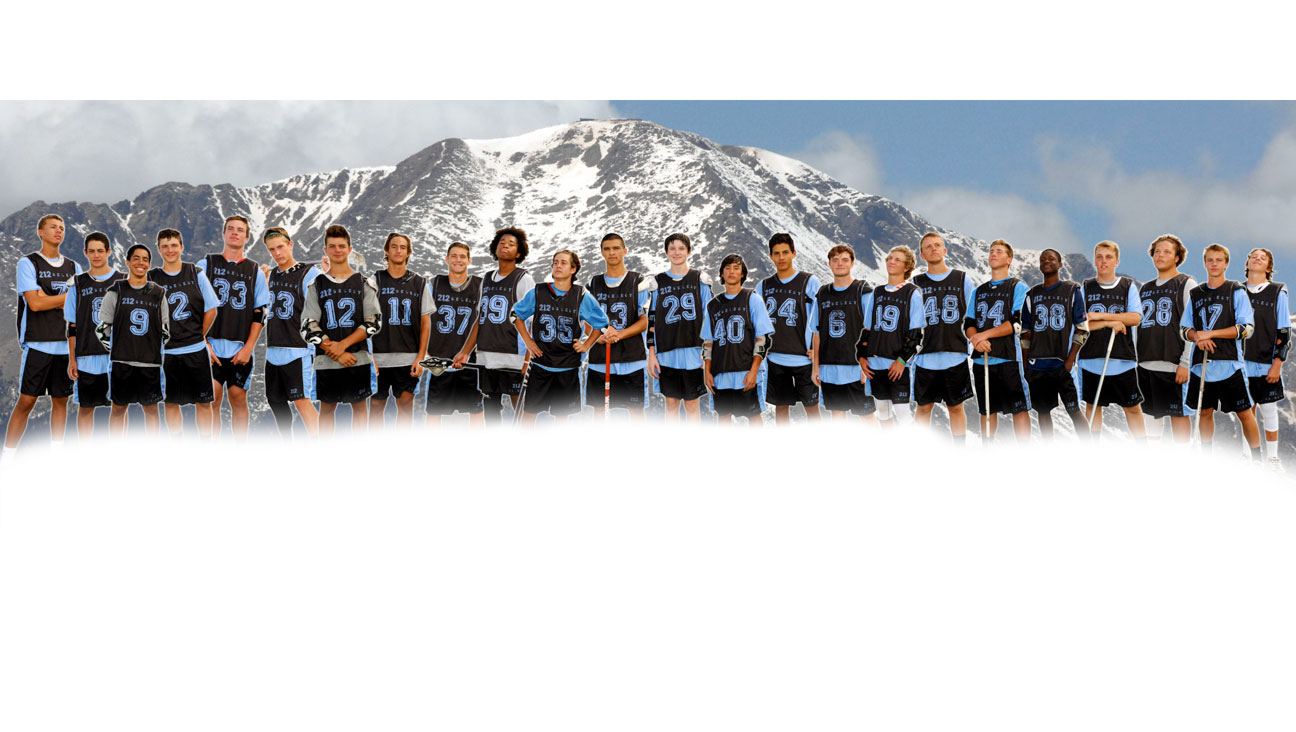
212 Lacrosse team photo